Why Humane Training Methods Are Essential for Dog Owners in Australia
Humane Training Benefits
Enhancing Dog Well-Being
As a seasoned sustainability expert based in Melbourne, I understand the importance of nurturing a pet's well-being through humane methods. Opting for eco-friendly training solutions not only aligns with sustainable living values, but it also enhances the quality of life for your canine companion. Using electric collars dogs, for example, can cause discomfort and stress, which is far from humane. Instead, consider exploring alternative methods that focus on positive reinforcement. Albert Park's sustainable dog parks offer a great environment for such trainings, where your dog can learn to socialise and happily engage with other canines.
Strengthening Owner-Pet Bond
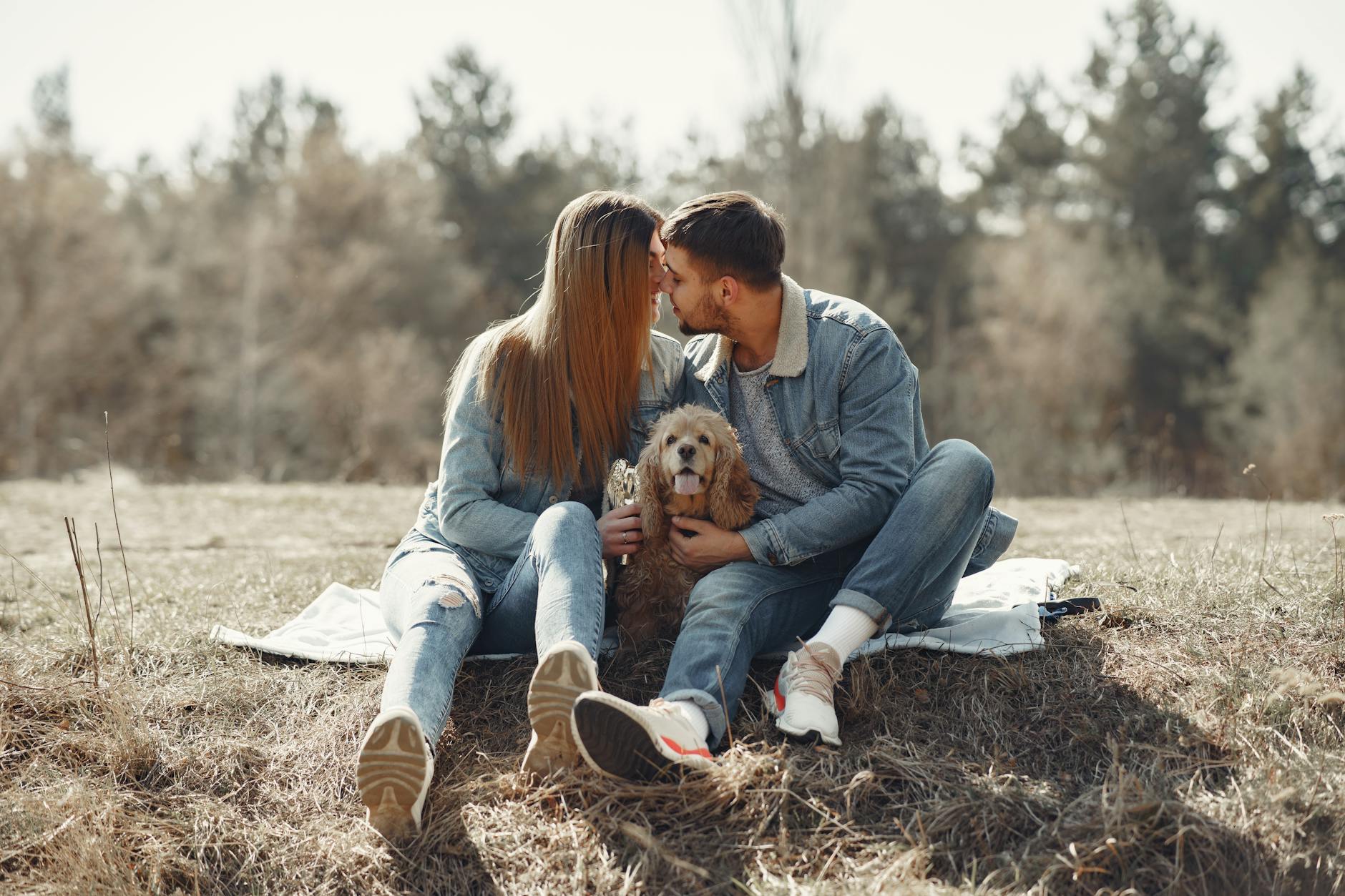
Fostering a deep connection with your pet is fundamental to a rewarding companionship. Humane training techniques foster trust and communication, deepening the bond between you and your pet. Unique strategies that focus on mutual respect avoid the negative impacts of an anti barking collar and encourage cooperative learning. Emphasising positive reinforcement not only motivates your dog but also nurtures a more empathetic relationship, enriching your shared journey.
Positive Behavior Results
Implementing humane techniques leads to more consistent and positive behavioural outcomes. Instead of resorting to physical deterrents, training that rewards good behaviour creates a more harmonious environment for you and your pet. By teaching desired behaviours through rewards and attention, your dog is more likely to repeat these behaviours, reducing stress and fostering a joyful companionship. This method ensures that your dog's training experiences are positive and aligned with your ethical values.
Key Training Techniques
Reward-Based Systems
Implementing reward-based systems is a highly effective method for training dogs. These systems utilise positive reinforcement where good behaviour is encouraged through treats or praise, making training sessions more enjoyable for Rufus. This method aligns well with the values we aim for in Albert Park's sustainable dog parks, creating harmonious and eco-friendly spaces for training and play.
Clicker Training
Clicker training offers a precise way to communicate with your pet, using a distinct sound to mark desirable actions. Each click signifies a correct action followed by a reward, helping Rufus understand what’s expected of him during road trips. Incorporating humane training solutions like clicker training aligns well with our eco-conscious pet philosophy and is an essential aspect of environmentally-friendly pet care guides akin to those you'd find while visiting the CERES Community Environment Park.
Socialization Practices
Socialisation is crucial, especially when travelling to new locations with Rufus. Exposing him to various sights, sounds, and fellow pets prevents behavioural issues and enhances adaptability. While at places like Abbotsford Convent's pet-friendly spaces, ensuring Rufus interacts in positive ways can make travel more enjoyable for both of you. However, avoiding items such as anti bark collars or a shock collar ensures his comfort and well-being, staying true to humane and eco-conscious tricks while on the road.
Using these techniques, traversing Australia with Rufus becomes an enjoyable venture, where sustainable practices in dog training reinforce your bond while safeguarding the environment.
Suitability for Travel
Managing Travel Stress
Travel can be an exciting adventure for you and your pet. However, I'd like to address the unique challenge of keeping your furry friend comfortable during these trips. One humane solution to consider is a hidden dog fence. This can be a portable option for maintaining boundaries and ensuring safety in unfamiliar territories, such as when Rufus and I explored the pet-friendly spaces at Abbotsford Convent. Establishing a sense of territory can help alleviate anxiety in new surroundings.
Safe Exploration Tactics
When venturing outdoors, comfort and safety should always go hand in hand. I recommend using an anti bark collar designed to reduce undesired barking gently. These are particularly useful on hiking trails or campsites where maintaining quietude is crucial. Ensuring that such devices are humane and leave Rufus stress-free is a priority for me, as they provide the security needed while allowing for undistracted focus on his surroundings.
Portable Training Tools
Incorporating portable training tools can streamline the experience and ensure convenience without compromising Rufus's comfort. Compact tools like treats or clickers can quickly reinforce positive behaviour and adaptability in different settings. These tools play a pivotal role in keeping your pet's training routine consistent and effective, even during travel. They’ve been indispensable during our morning walks before a workday at a local café.
Challenges
Consistency Across Locations
As a sustainability expert and an avid pet lover, I understand the challenges of maintaining consistent training for dogs like Rufus when you're constantly on the move. When travelling, environments change frequently, posing unique challenges to consistent training routines. For example, the bustling CERES Community Environment Park may offer an entirely different backdrop for training than a peaceful beach in Perth. Consistent cues and commands can be challenging to maintain, especially in crowded or stimulating areas. Incorporating portable training tools, such as a lightweight, collapsible water bowl or dog travel accessories, ensures you’re prepared for any setting.
Environmental Distractions
Just as you might find new and unexpected wonders in each place you visit, so too will Rufus encounter novel sights, sounds, and smells. Whether it’s a park filled with new canine friends or unfamiliar terrain during your travels, these distractions can disrupt training. To manage this, try practising in diverse environments to gradually acclimate Rufus to varied stimuli. Using GPS dog tracking can provide peace of mind, allowing Rufus to explore freely while you remain aware of his location. Remember, patience and adaptability are key.
Patience in Learning
When enticed by the freedom of travel, it’s easy to overlook the importance of patience in training. Dogs learn best through humane, gentle methods that align with their comfort levels. Balancing new experiences with familiar routines can help Rufus feel secure and maintain his training regimen. Remember, successful pet training is not about immediate results but rather fostering a strong, understanding relationship over time.